Windows Script: Elevate Your Design with Authentic Handwritten Style
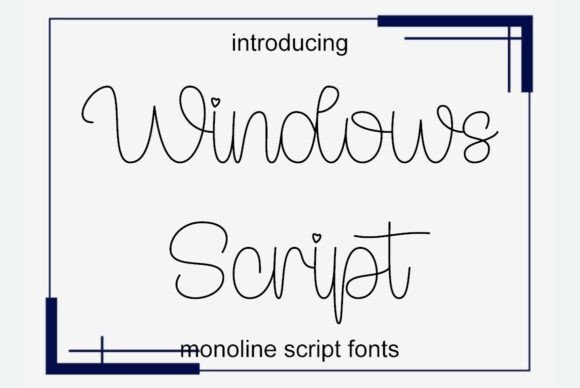
In the crowded landscape of digital design, a typeface that captures authentic human touch can be a game-changer for your brand's visual identity. Windows Script emerges as a chic handwritten monoline script font, designed to bridge the gap between polished professionalism and organic warmth. Its clean, flowing lines and automatic ligatures create a seamless, natural handwriting effect, making it an invaluable creative asset for designers, marketers, and business owners seeking to inject personality and approachability into their work.
The Design and Impact of a Modern Script Font
At its core, Windows Script is a study in balanced typography. The monoline structure ensures consistency and legibility across various sizes and applications, a critical factor in professional graphic design. Unlike overly ornate scripts that can sacrifice readability, its clean lines maintain clarity, making it suitable for both display and shorter body text in specific contexts. The automatic ligatures are the standout feature; they intelligently connect letters in ways that mimic natural penmanship, avoiding the robotic repetition that can make digital scripts feel artificial. This thoughtful engineering supports a modern aesthetic that values authenticity and visual flow.
Practical Applications Across Creative Projects
The versatility of a font like Windows Script allows it to serve as a cornerstone for numerous design initiatives. Its inherent charm makes it particularly effective for projects where personal connection and artisanal quality are desired.
- Branding and Logo Design: For boutique businesses, cafés, artisanal product lines, or personal brands, Windows Script can form the basis of a memorable logo. It conveys craftsmanship, care, and a personal story, strengthening brand identity from the first glance.
- Packaging and Label Design: This is a prime application. Use it for product labels, pantry jars, candle packaging, or cosmetic branding to instantly communicate a handmade, premium quality. Its clarity ensures essential information remains legible.
- Social Media and Digital Marketing: Create eye-catching quotes, Instagram Stories, Pinterest graphics, or promotional banners that feel personal and engaging. It helps cut through the noise of generic content, boosting user engagement and shareability.
- Editorial and Print Design: Incorporate it into magazine layouts, wedding invitations, greeting cards, or book covers to add an elegant, human touch that enhances the overall editorial design and visual hierarchy.
- Web and UI Elements: While not for primary body text, it can be used sparingly for hero sections, call-to-action buttons, or decorative headings to add warmth to a web design or user interface, improving the overall user experience through visual variety.
Integrating Typography into Your Design Workflow
Selecting the right font is just the first step. Effective integration requires considering the broader design system. Always evaluate how Windows Script interacts with your chosen color palette, imagery, and other typefaces. A common and effective pairing strategy is to combine it with a clean, sans-serif font for body text. This creates a clear visual hierarchy, where the script font delivers impact and personality, while the sans-serif ensures readability for longer passages.
Consider scalability and context. Test the font at the sizes it will be used to ensure ligatures render beautifully and legibility holds up. For packaging design, check its appearance on different materials and under various lighting conditions. In digital applications, verify its performance across screen resolutions. This due diligence is part of a professional design workflow that prioritizes both aesthetics and functionality.
Conclusion: The Power of Thoughtful Typography
In the end, every design choice is a communication decision. Typography like Windows Script does more than decorate; it builds a tactile, emotional layer into your brand's narrative. By thoughtfully selecting and applying high-quality creative assets, you transform generic layouts into compelling visual stories. Investing in fonts that offer both style and substance ensures your projects not only look beautiful but also connect more deeply with your audience, ultimately elevating the perceived value and professionalism of your entire brand presence.